1 / 29
A market is the inside of a city. Before the city wakes, people are already there. They carry their weights. They push carts and boxes. They bring what has grown, what has been caught, what has been made. They sell it, buy it, carry it away. They talk, they count, they wait. Life is already underway.
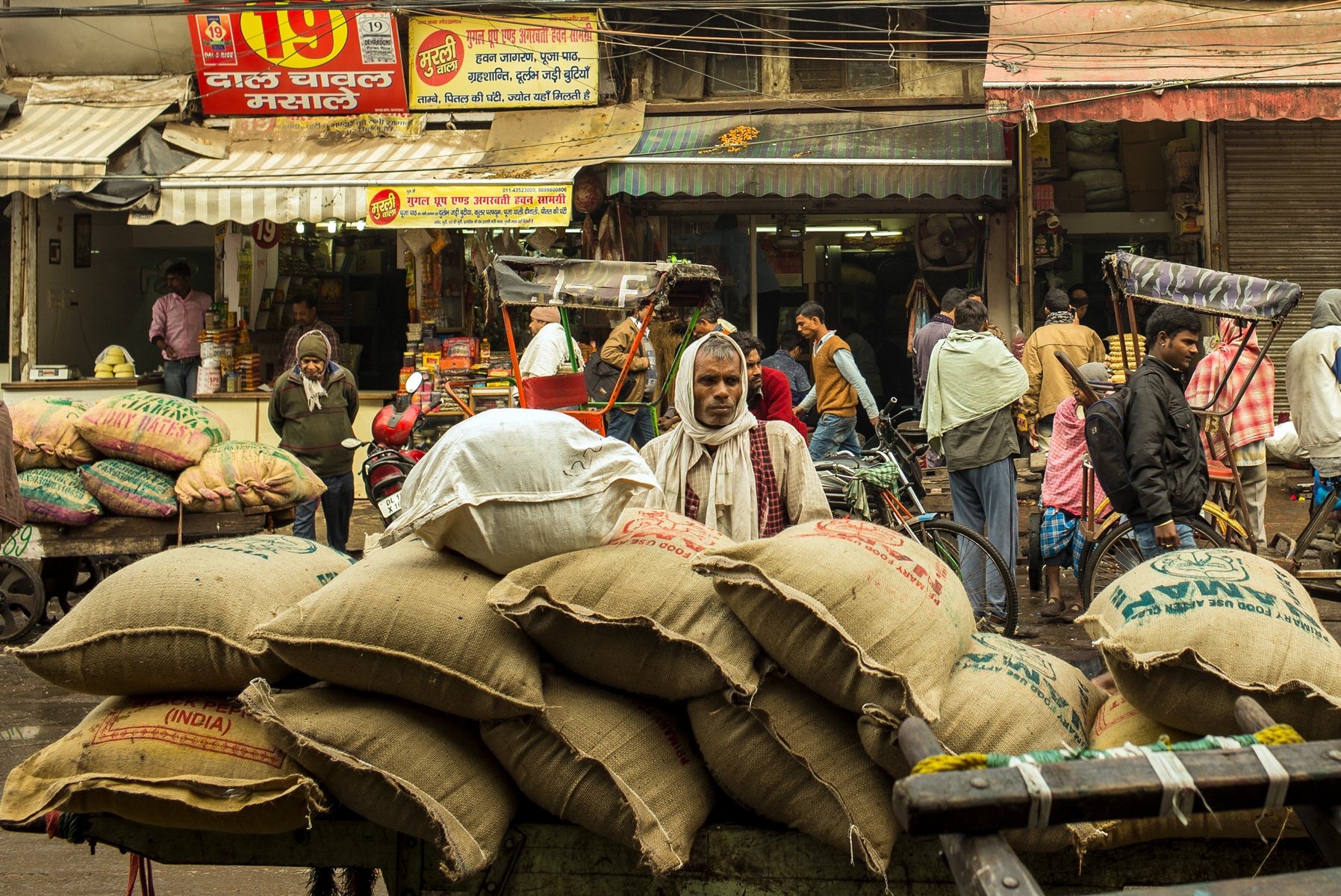
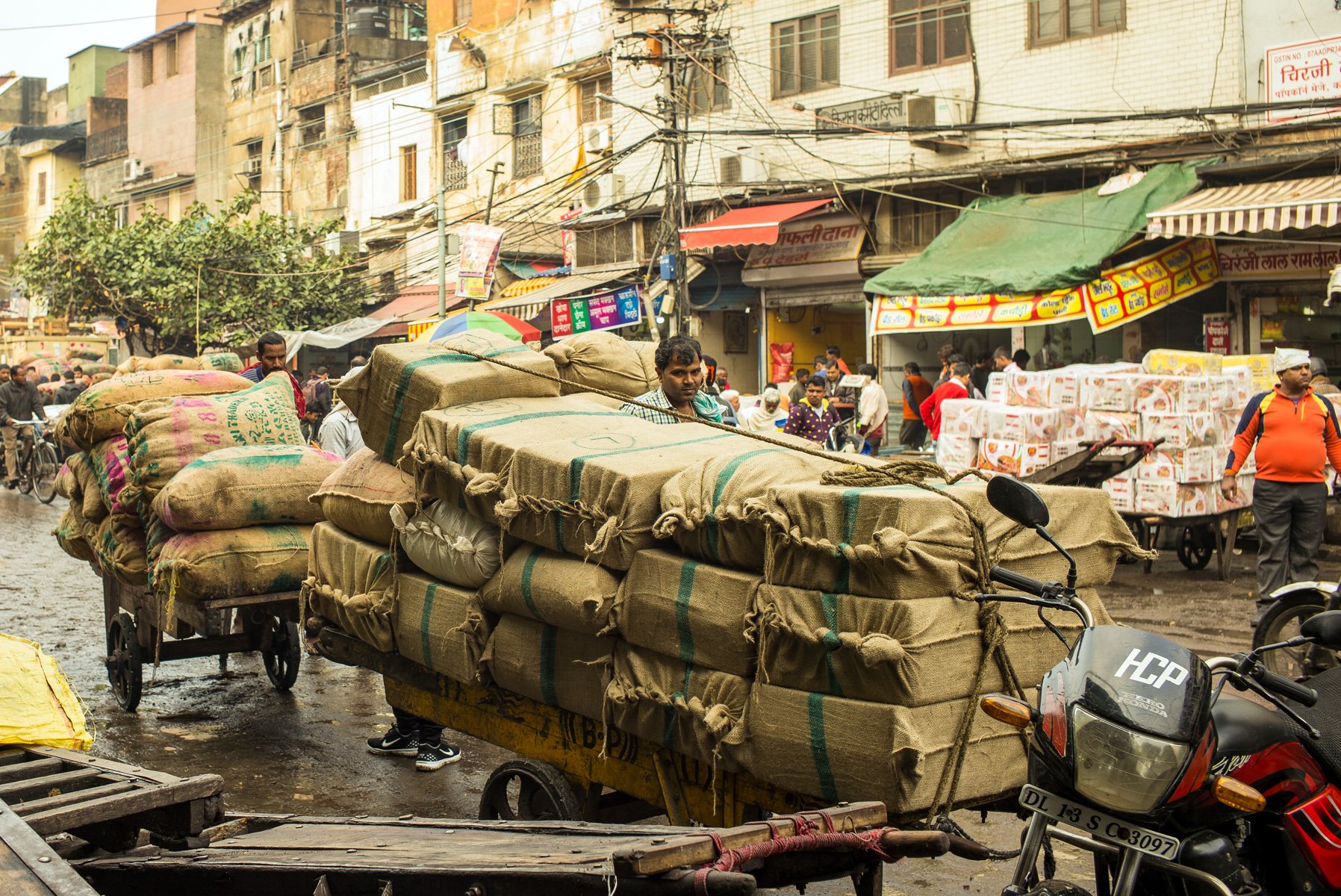
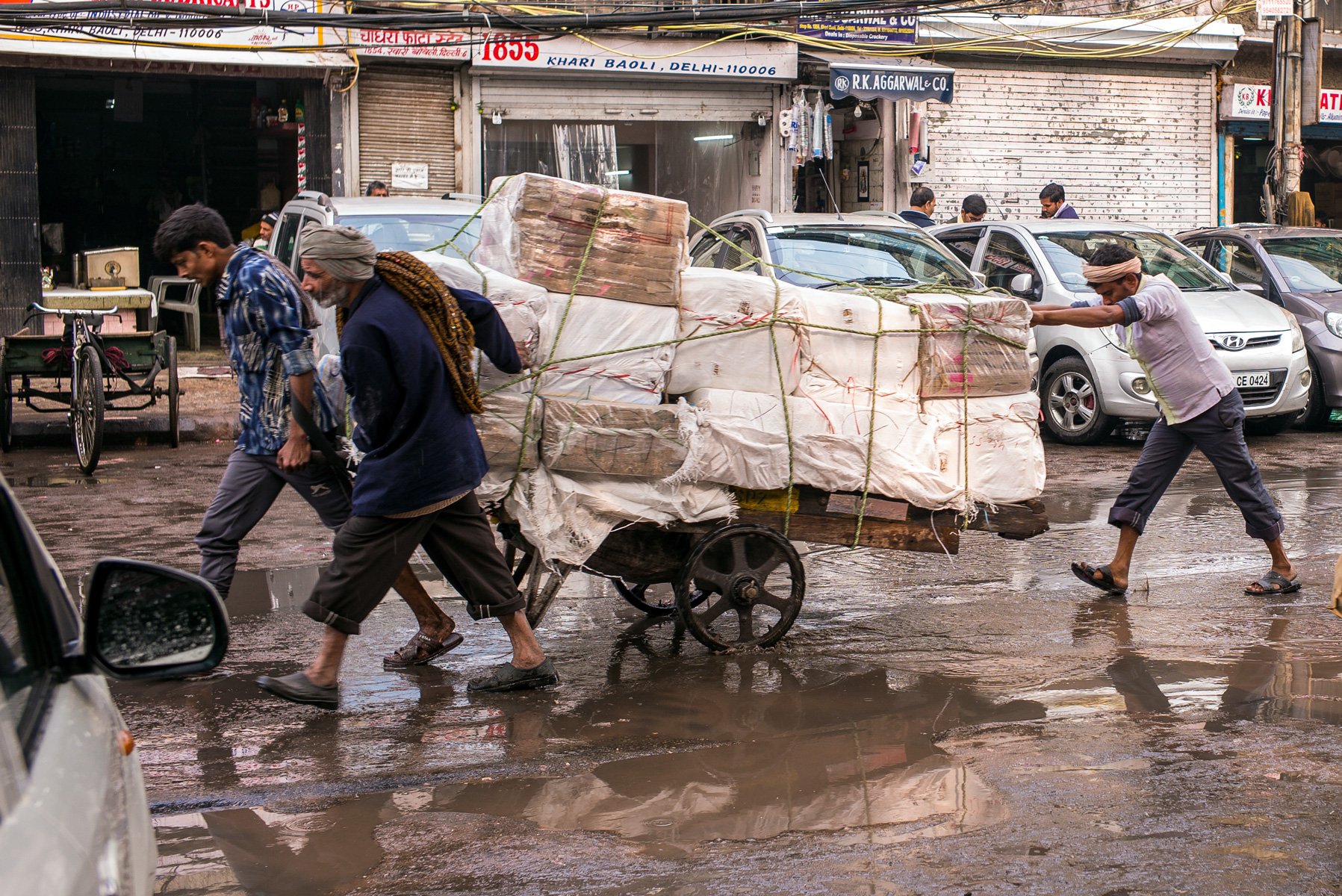
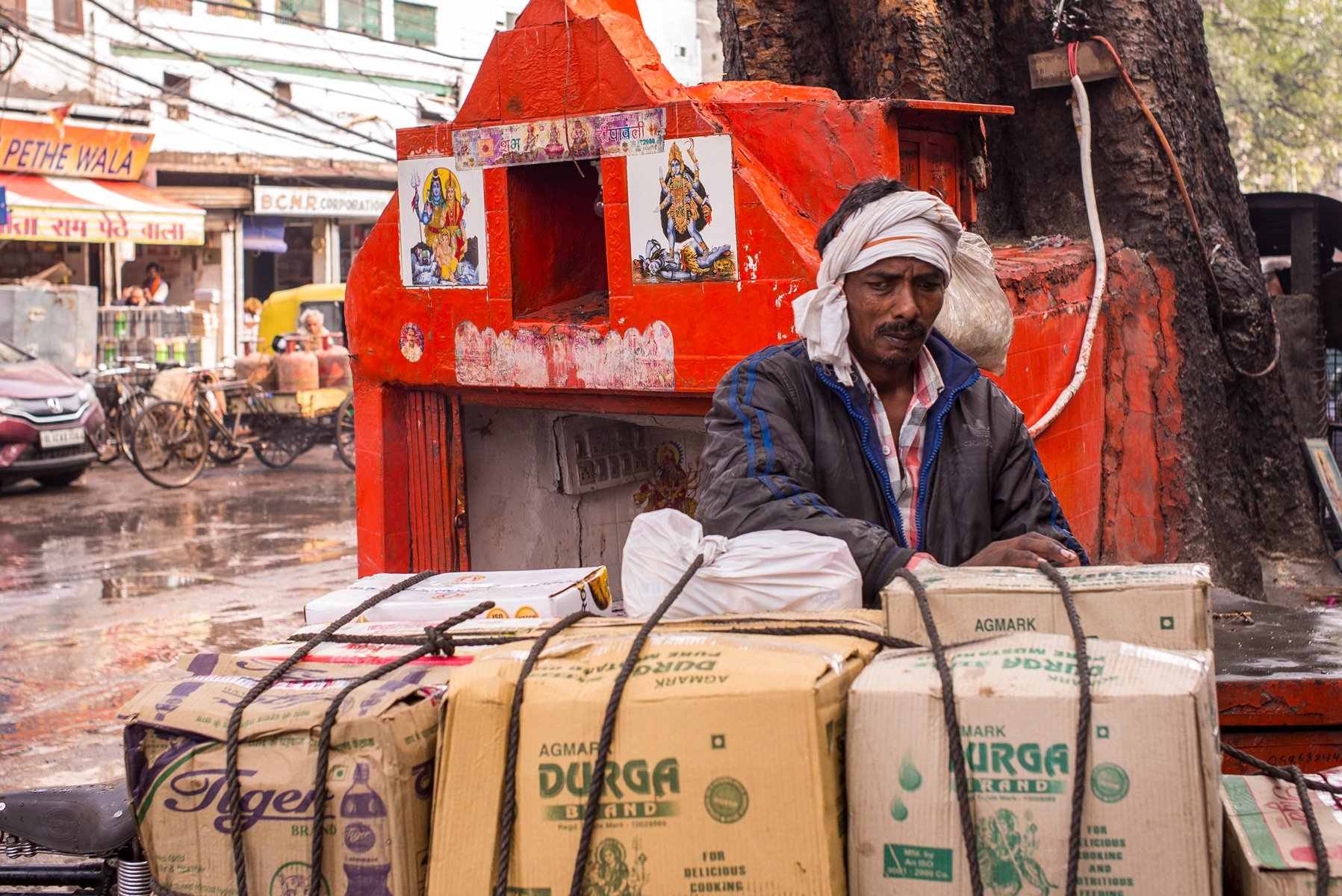
In New Delhi, after the rain, the streets of Chandni Chowk are thick with mud. Yet they are swarming with motorbikes, rickshaws, cows and people. Men push their carts through it, heavy bags pulling at their arms. Their faces are tired yet tireless, hardened by effort. They keep going. There is no drama in it. The weight is simply there.
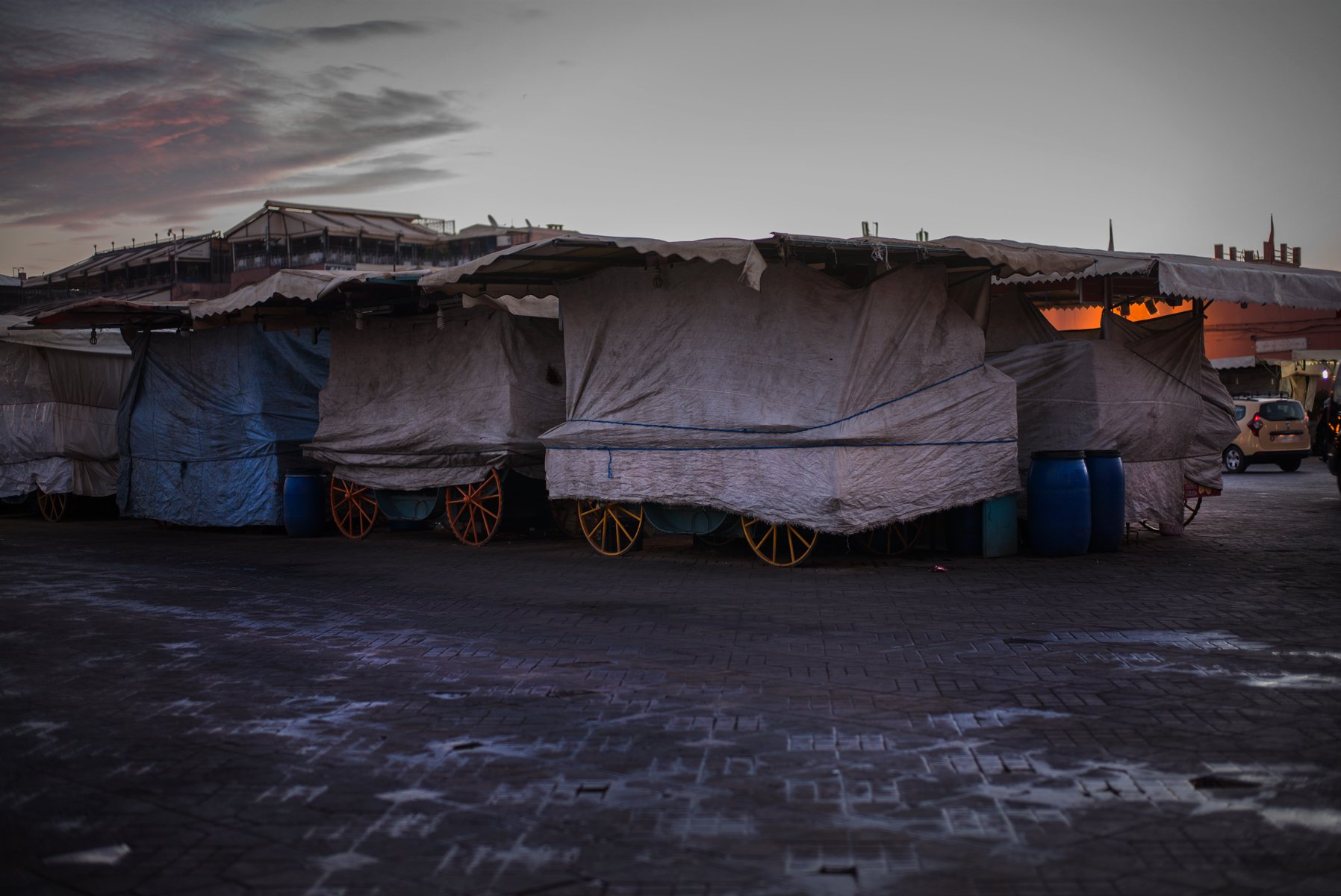
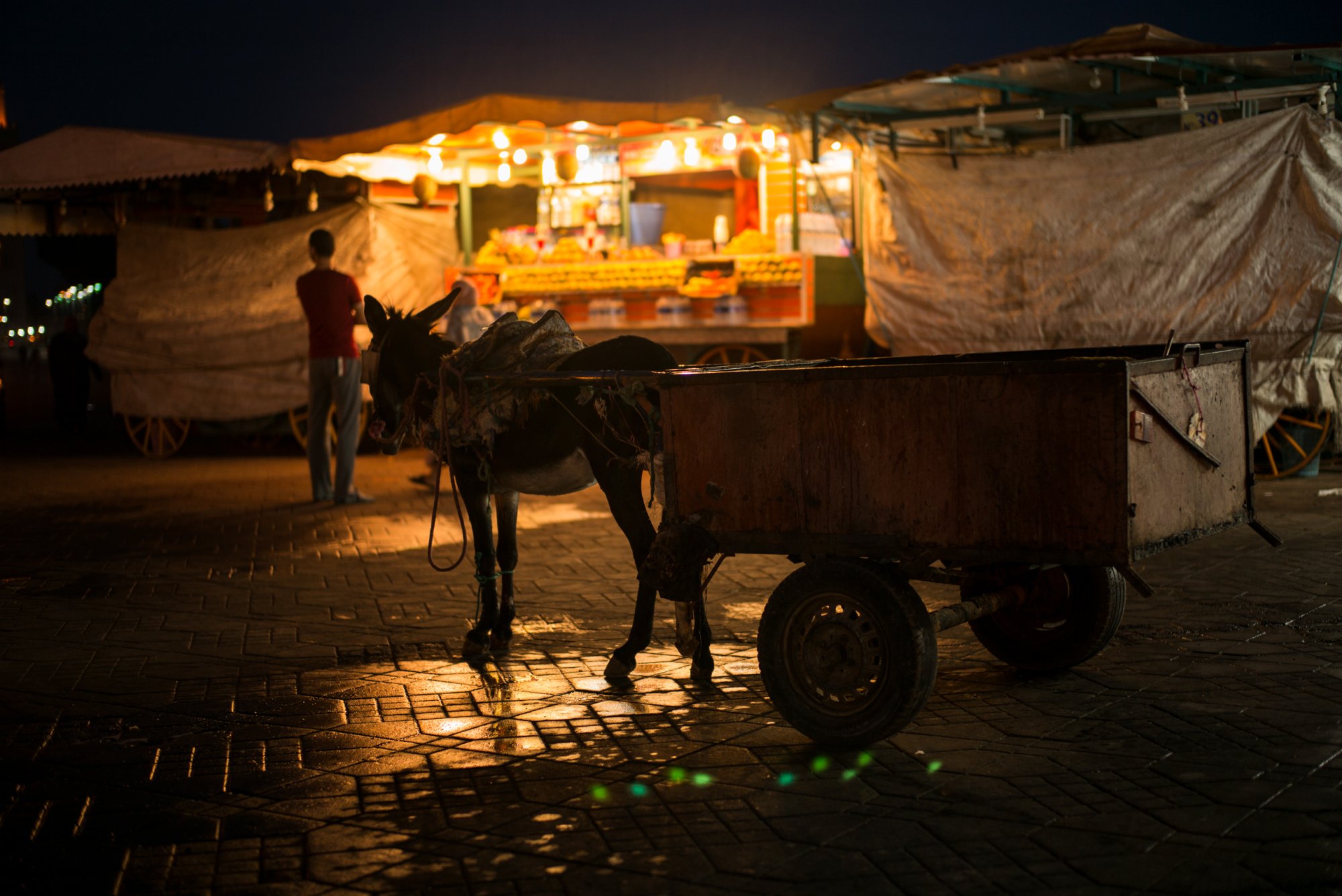
At Jemaa el-Fna, in Marrakech, at dawn, a donkey stands among the market stalls, pulling a small trailer. He looks so small, so fragile and terribly weary. The day has hardly begun.
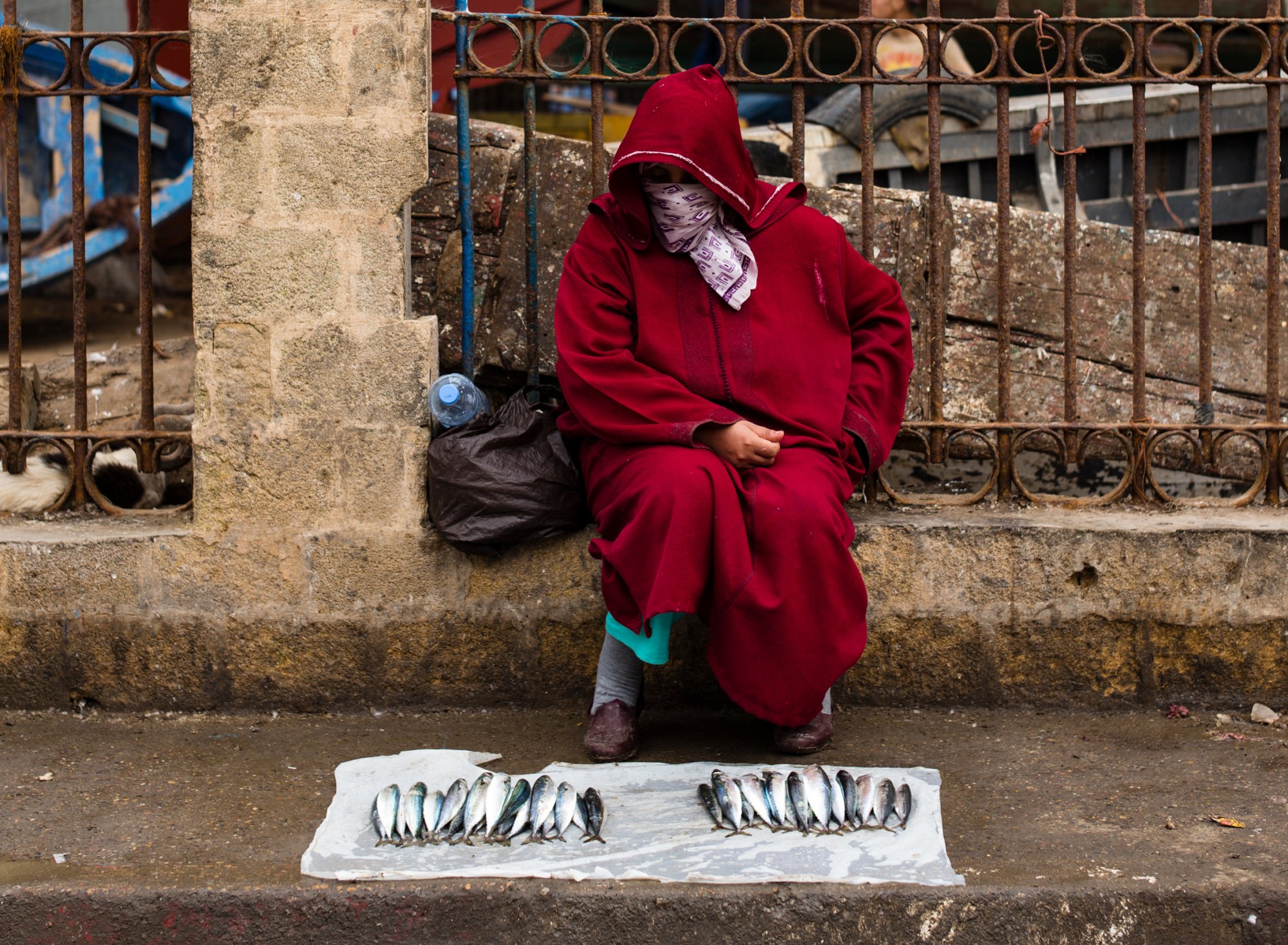
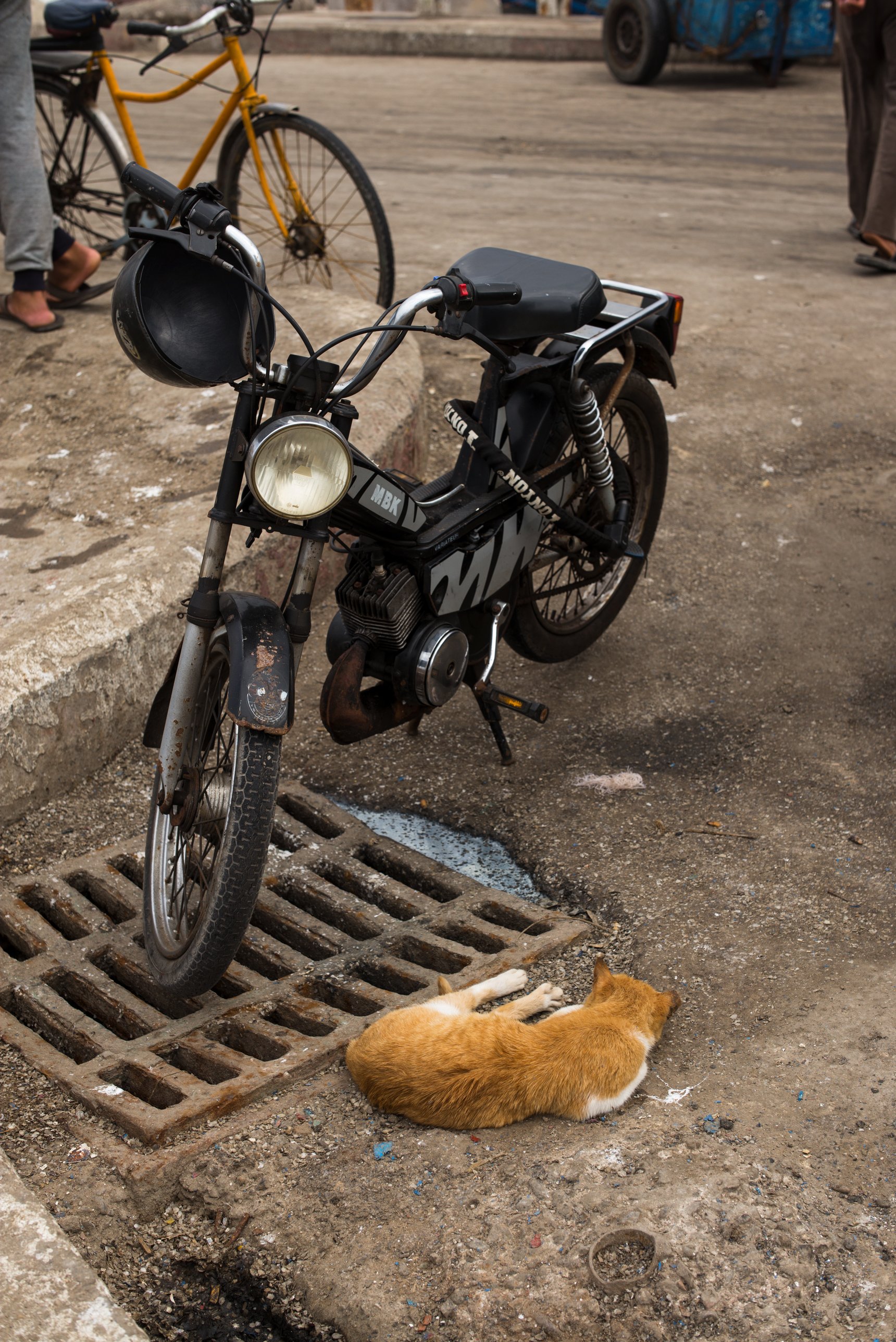
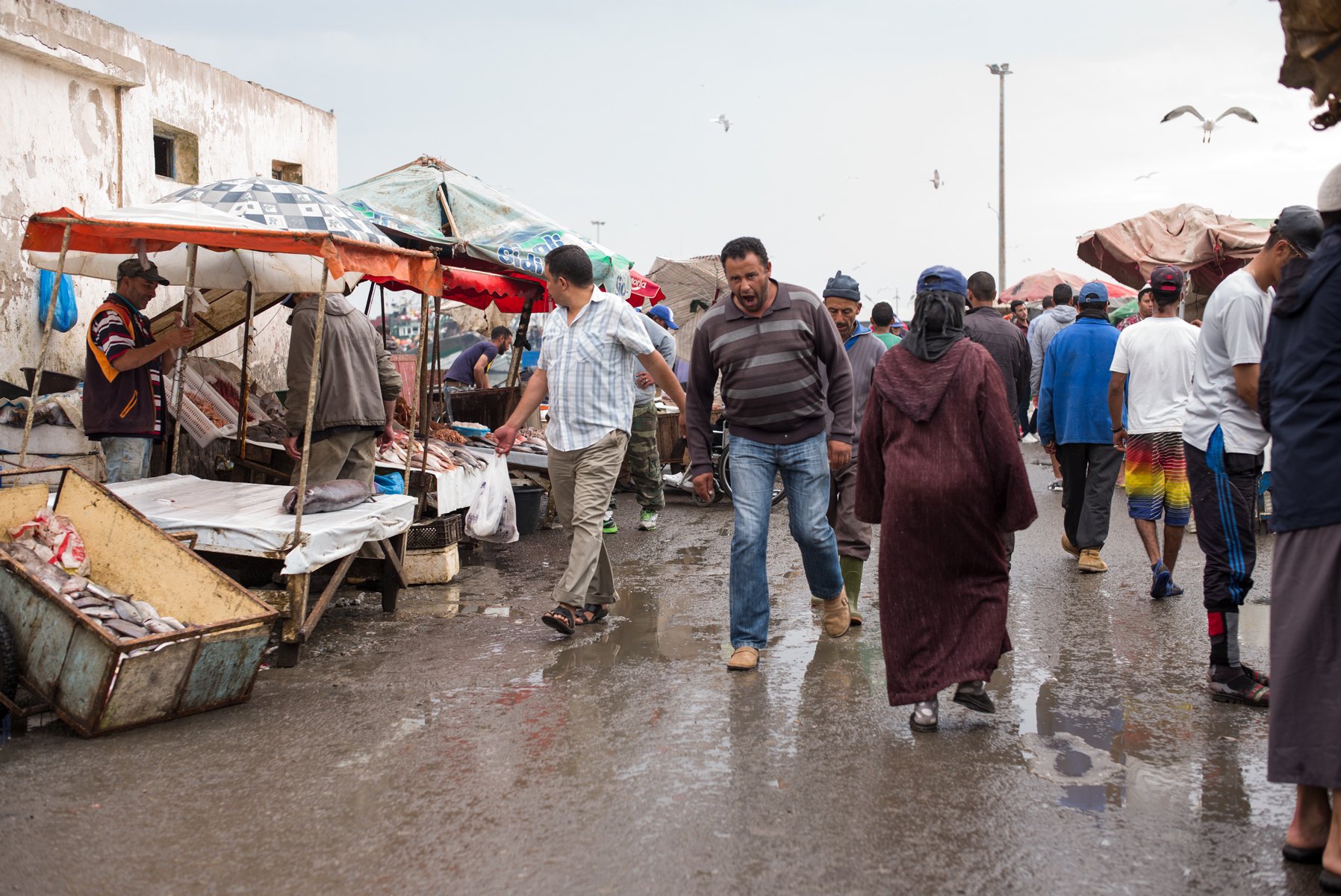
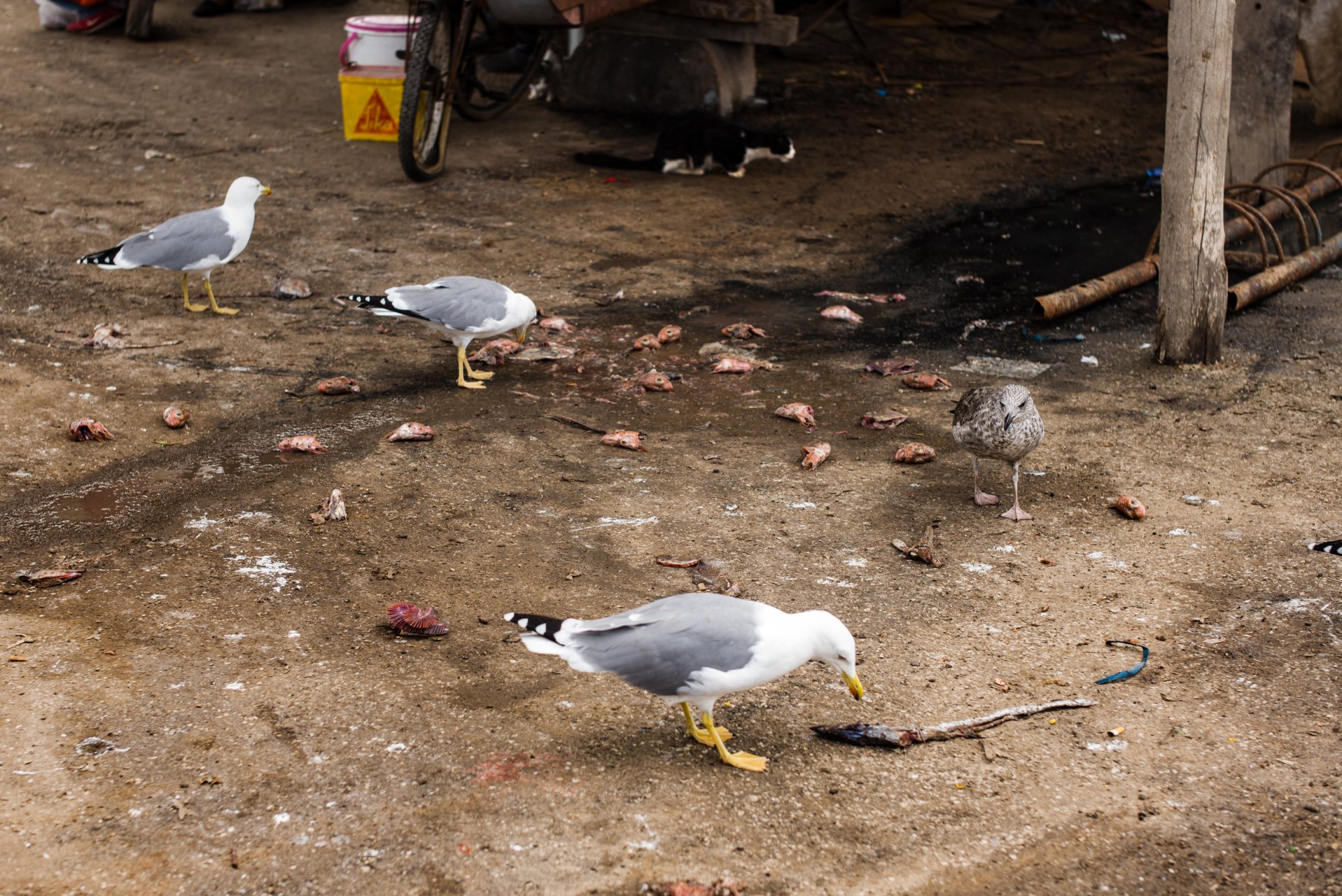
In Essaouira’s fish market, under the heavy sky, people, cats and seagulls gather around the fish. They cut, carry, eat, wait, all together, like one small living colony.
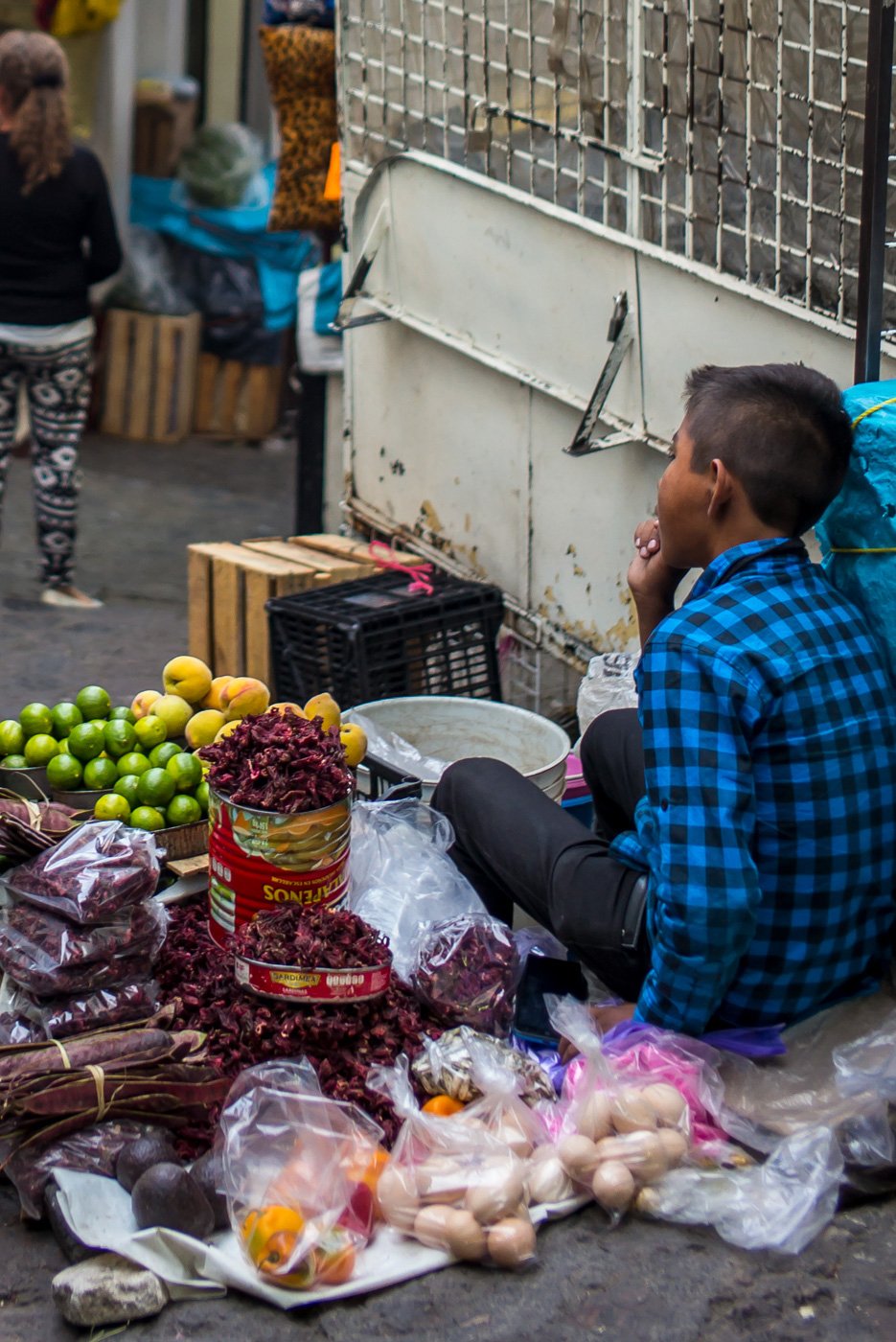
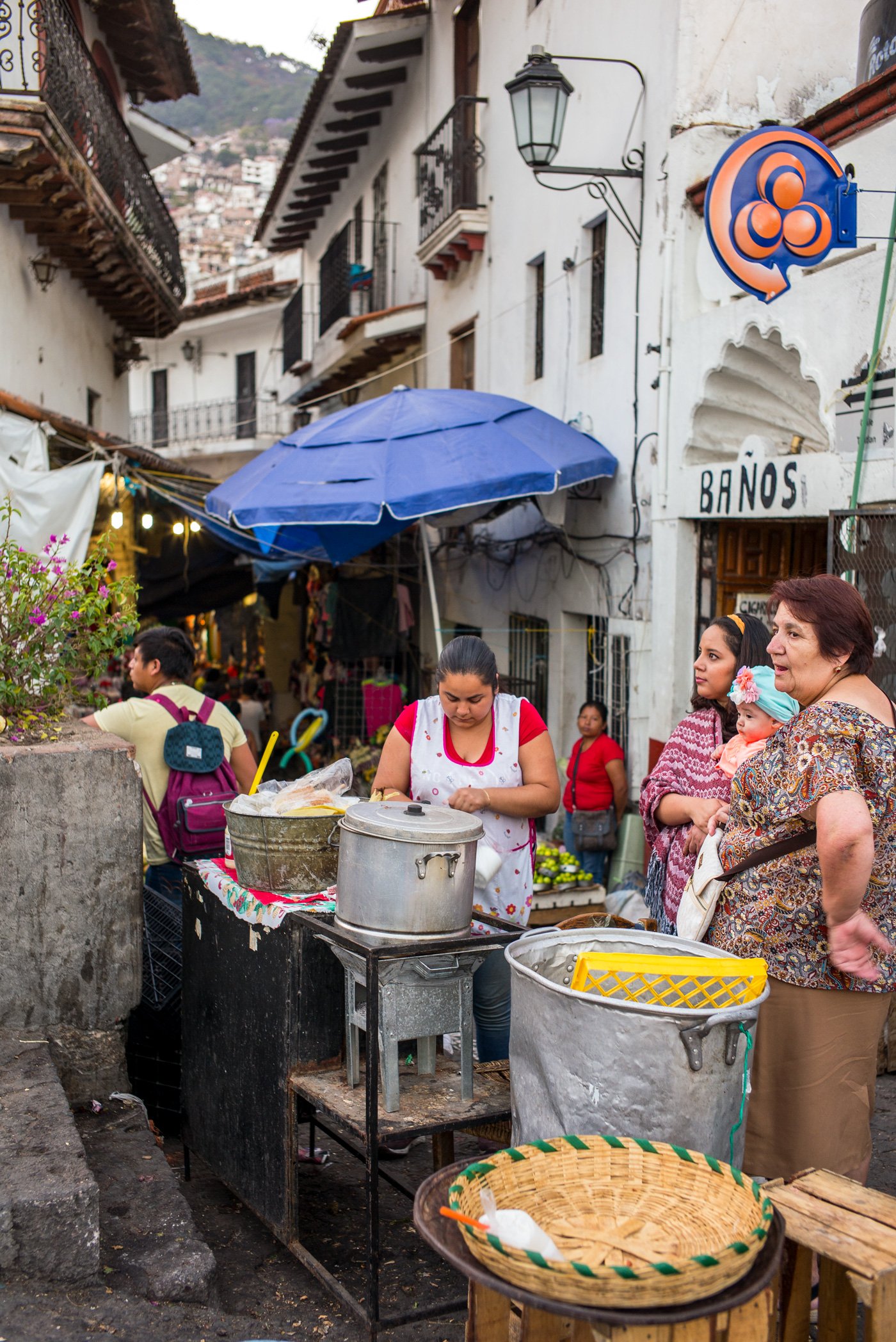
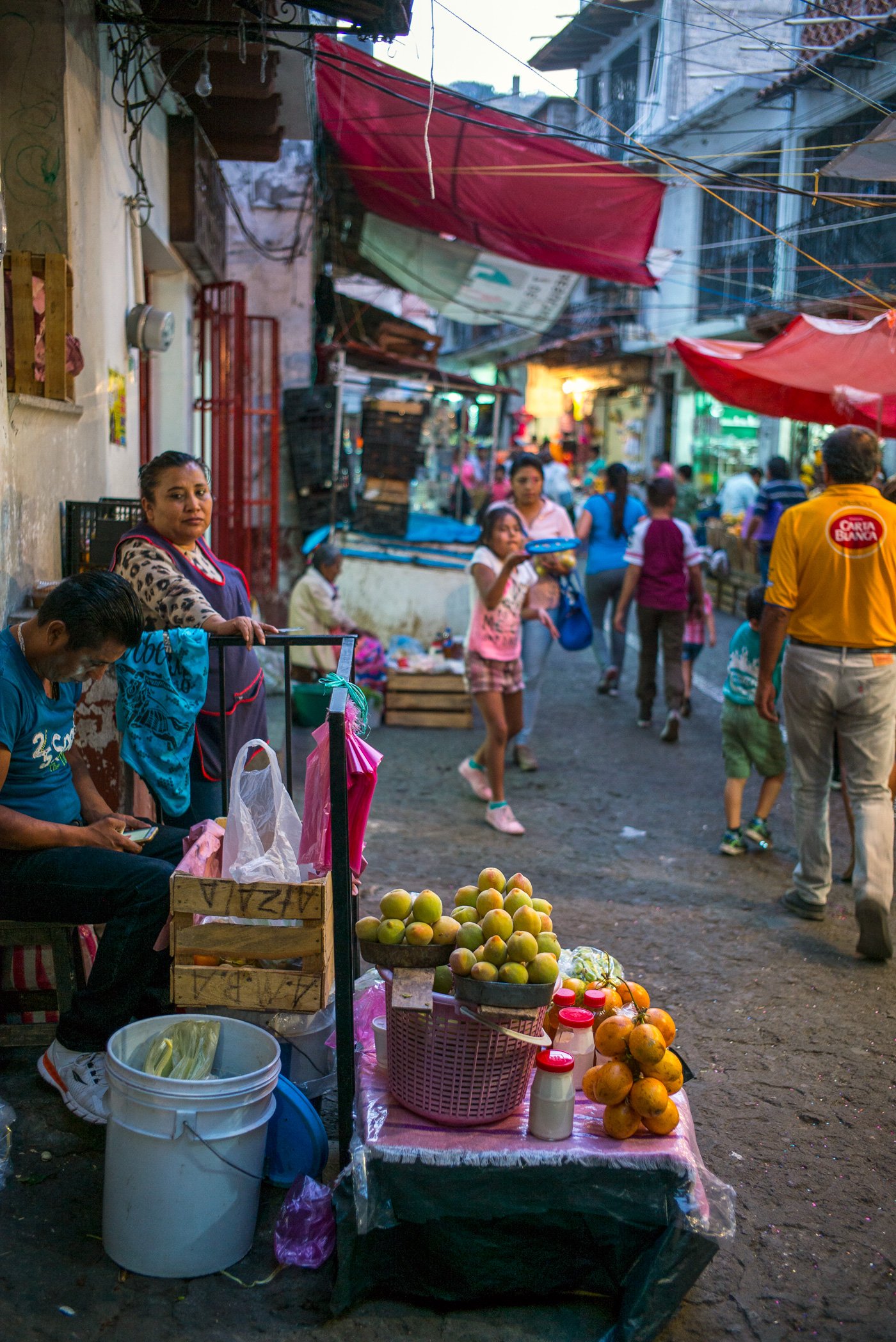
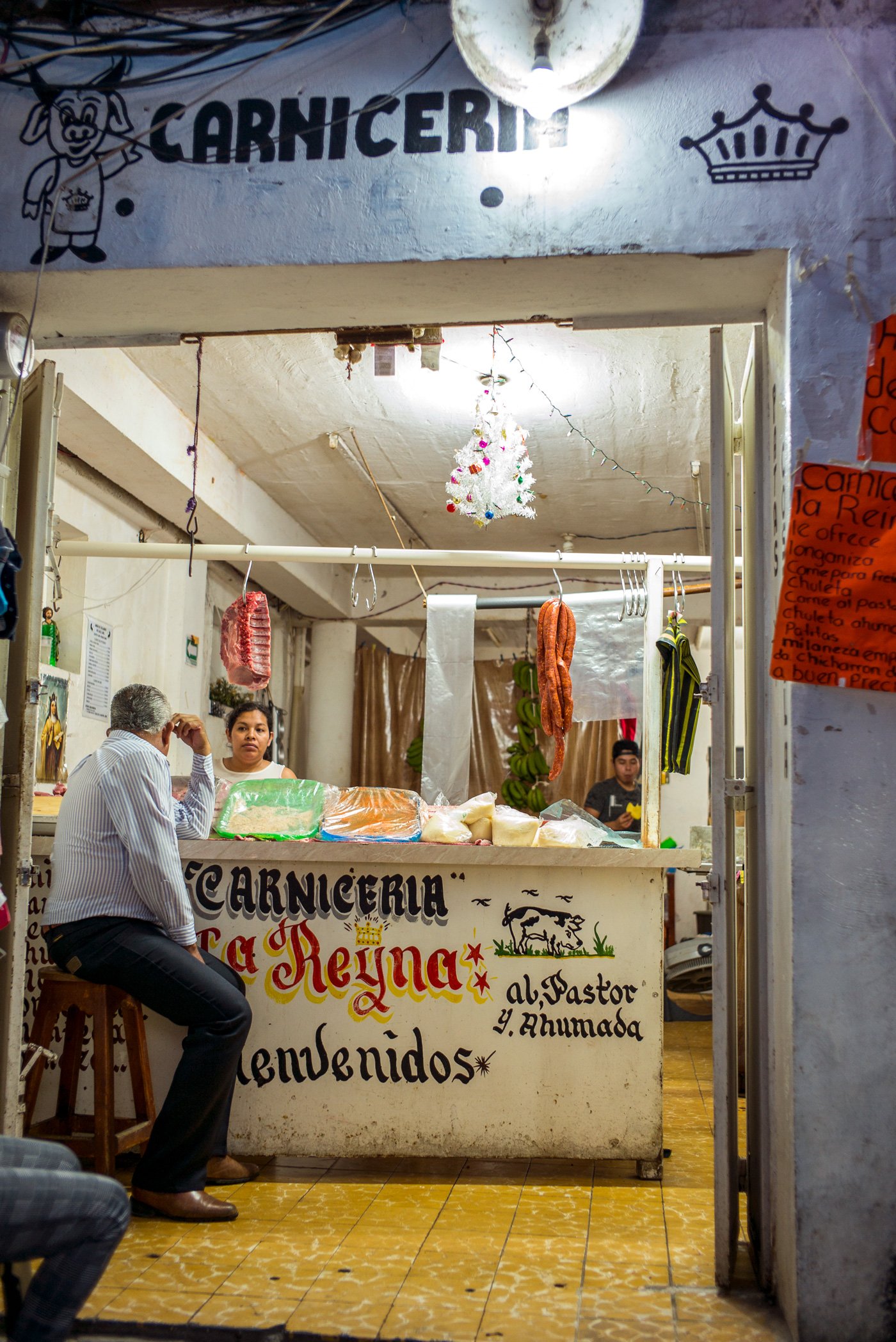
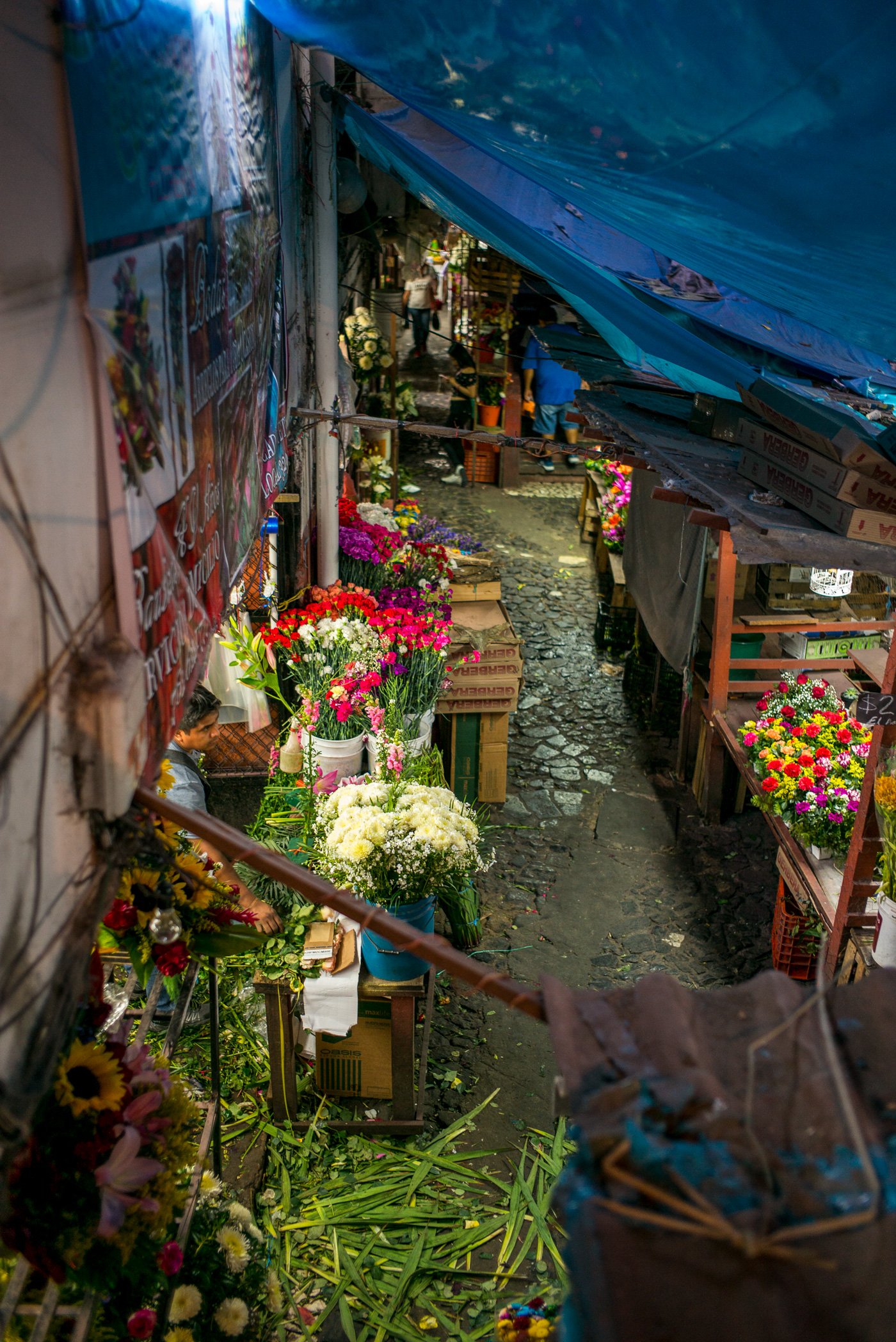
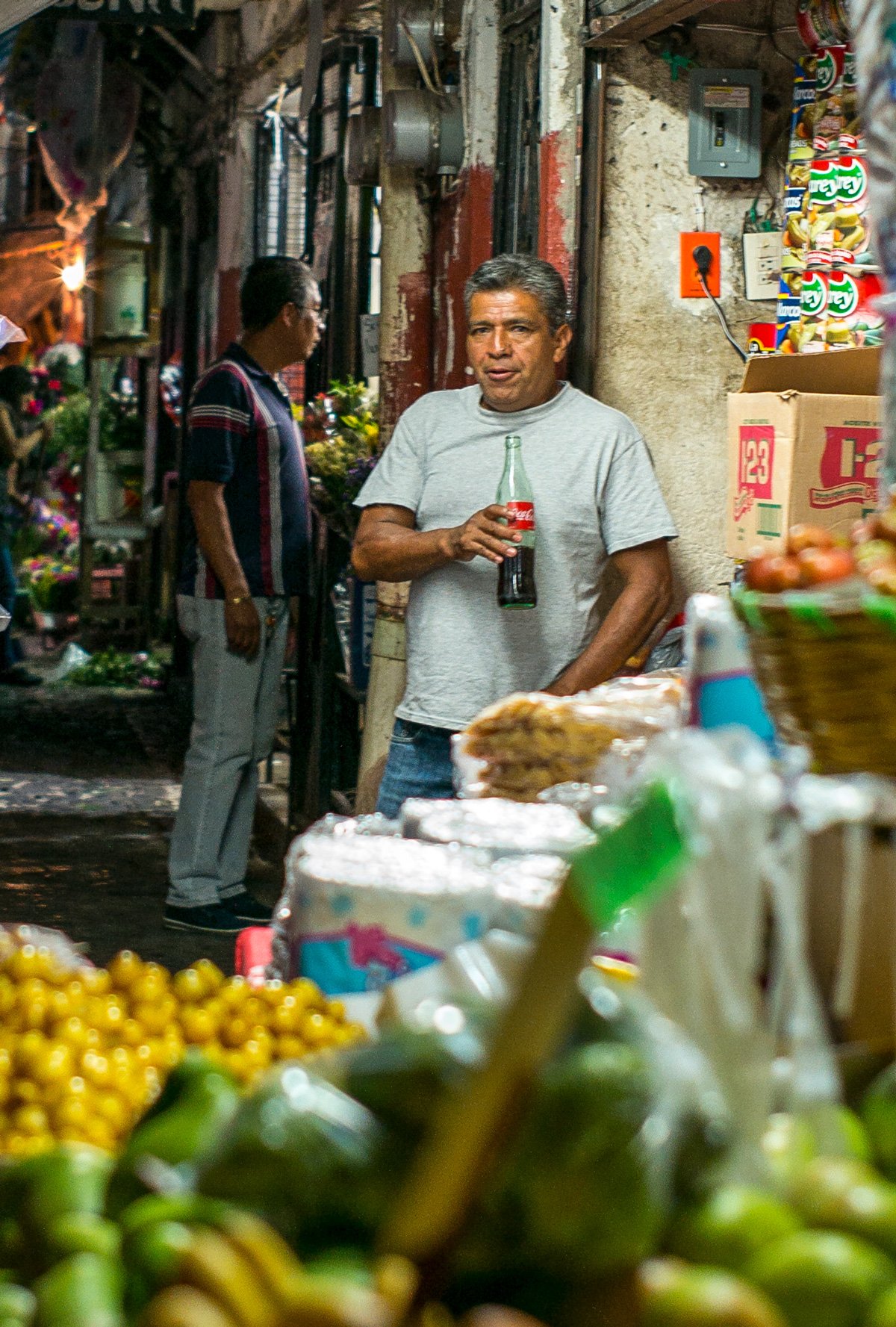
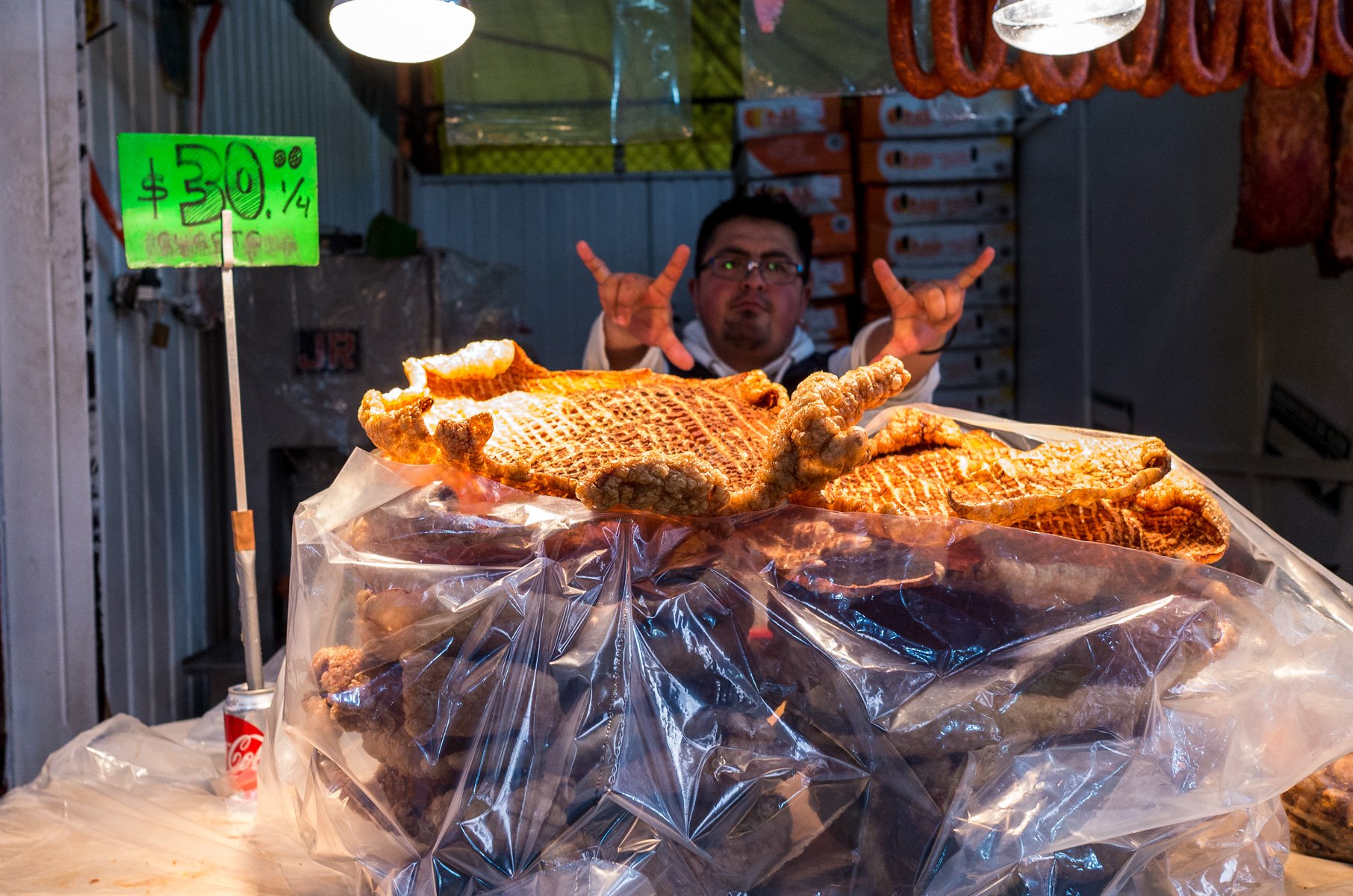
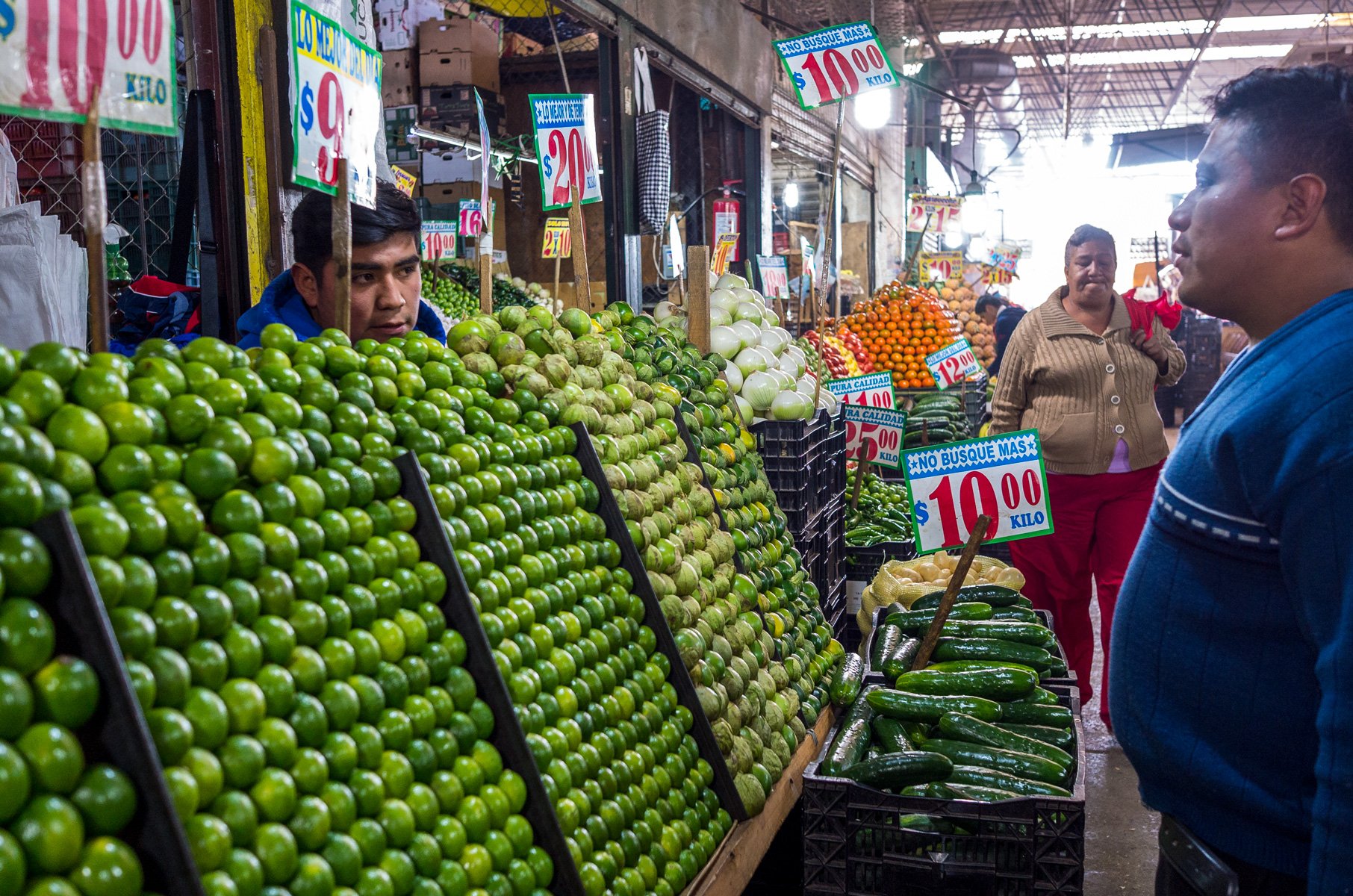
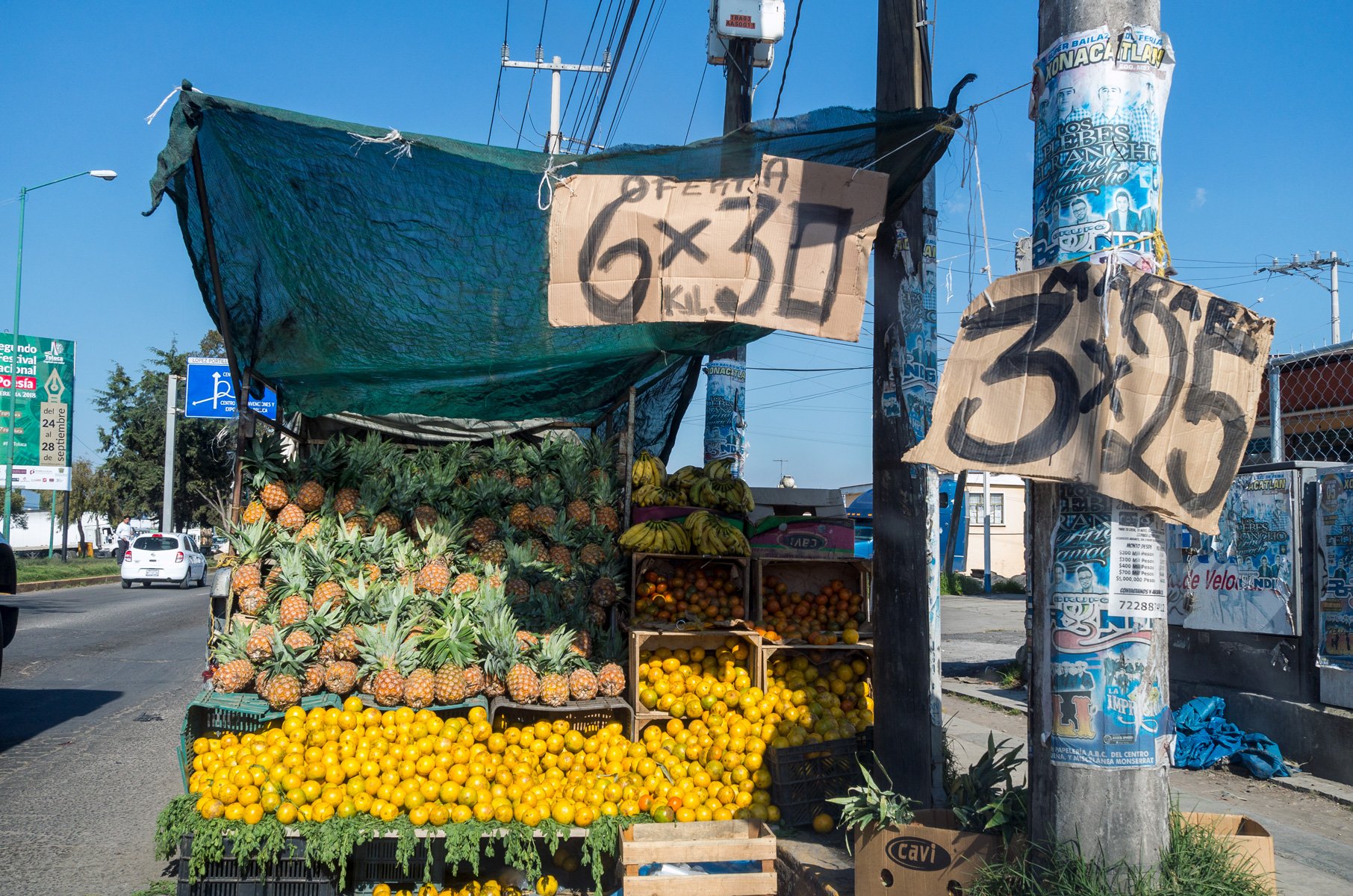
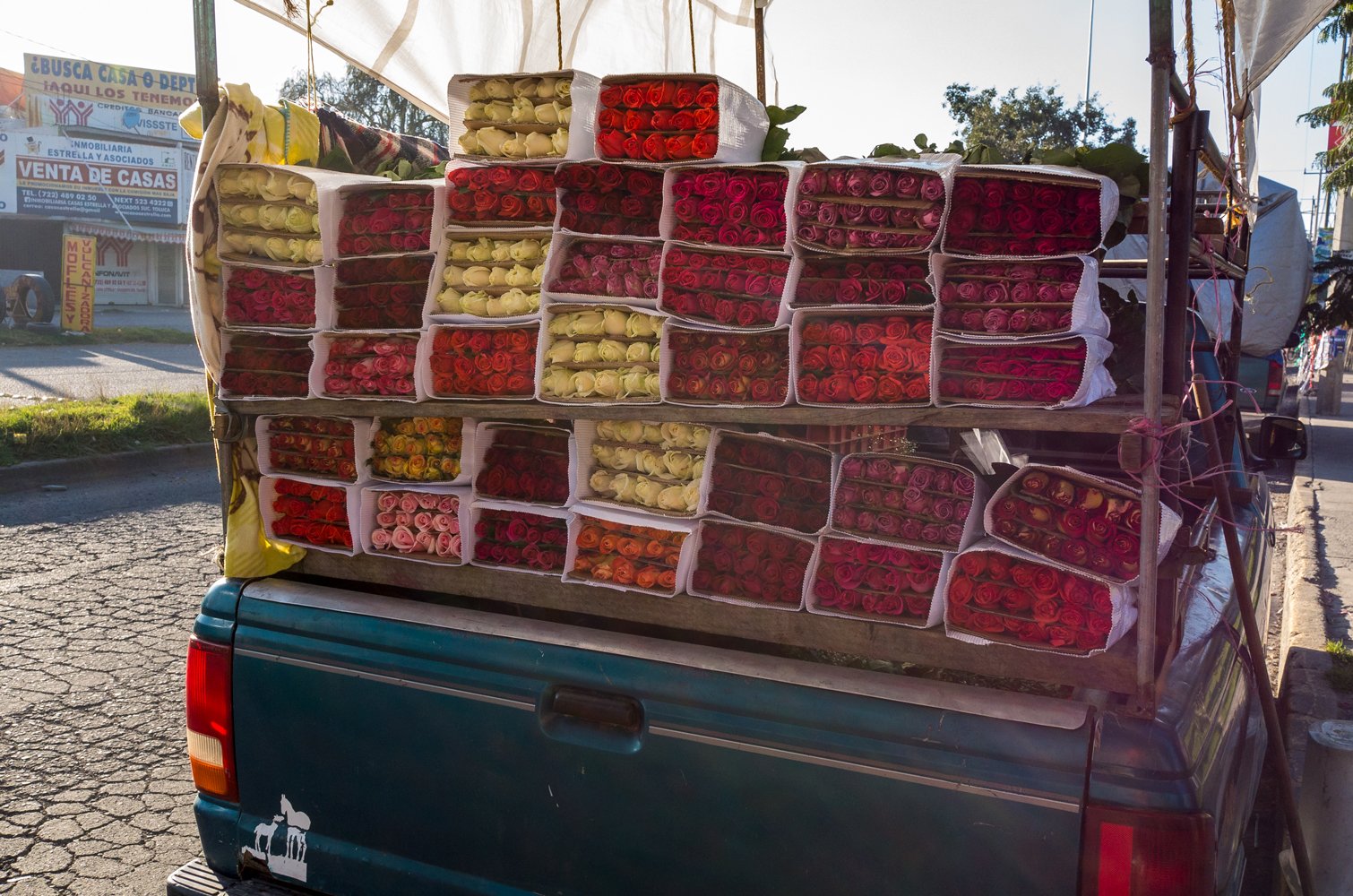
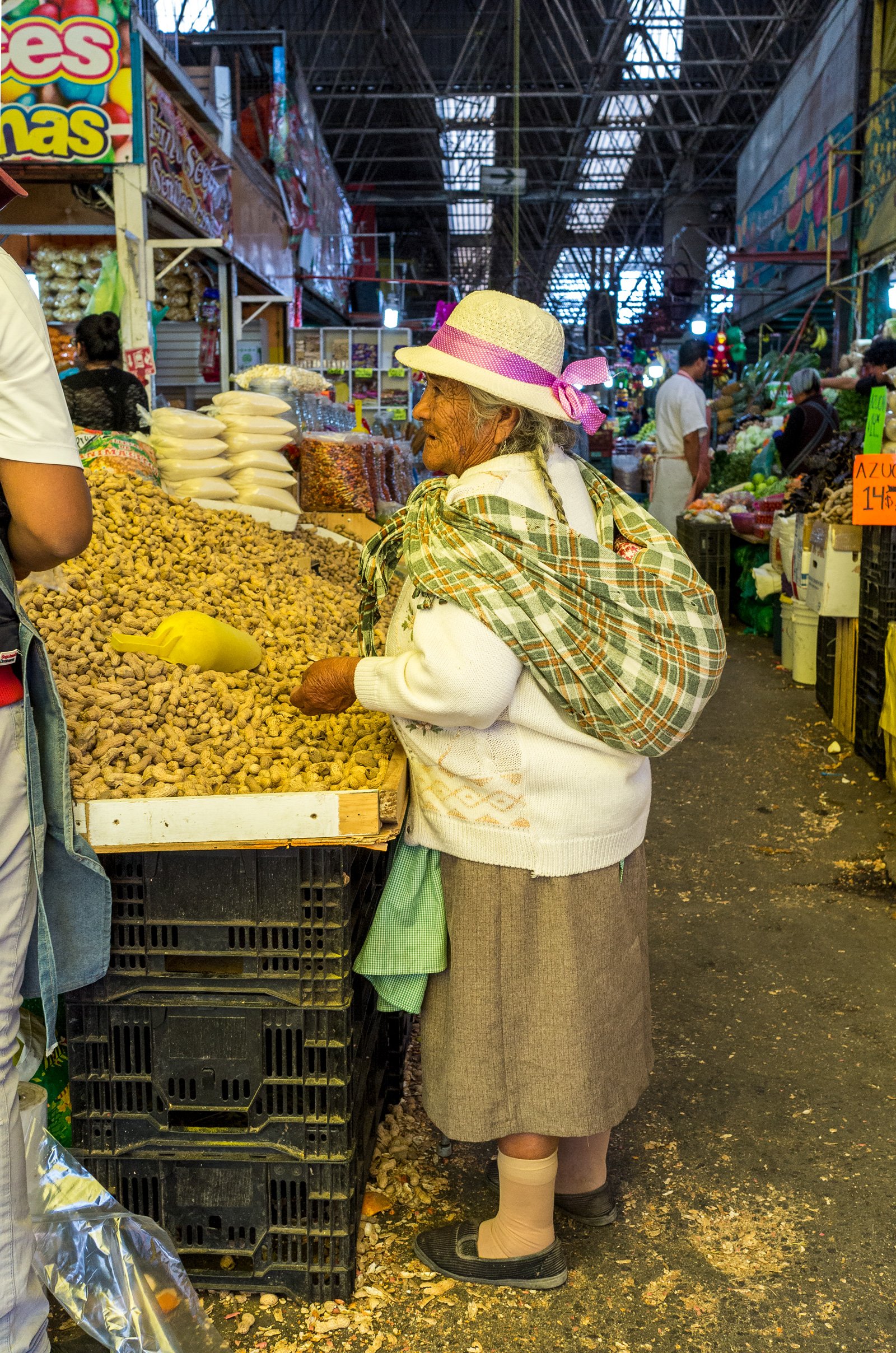
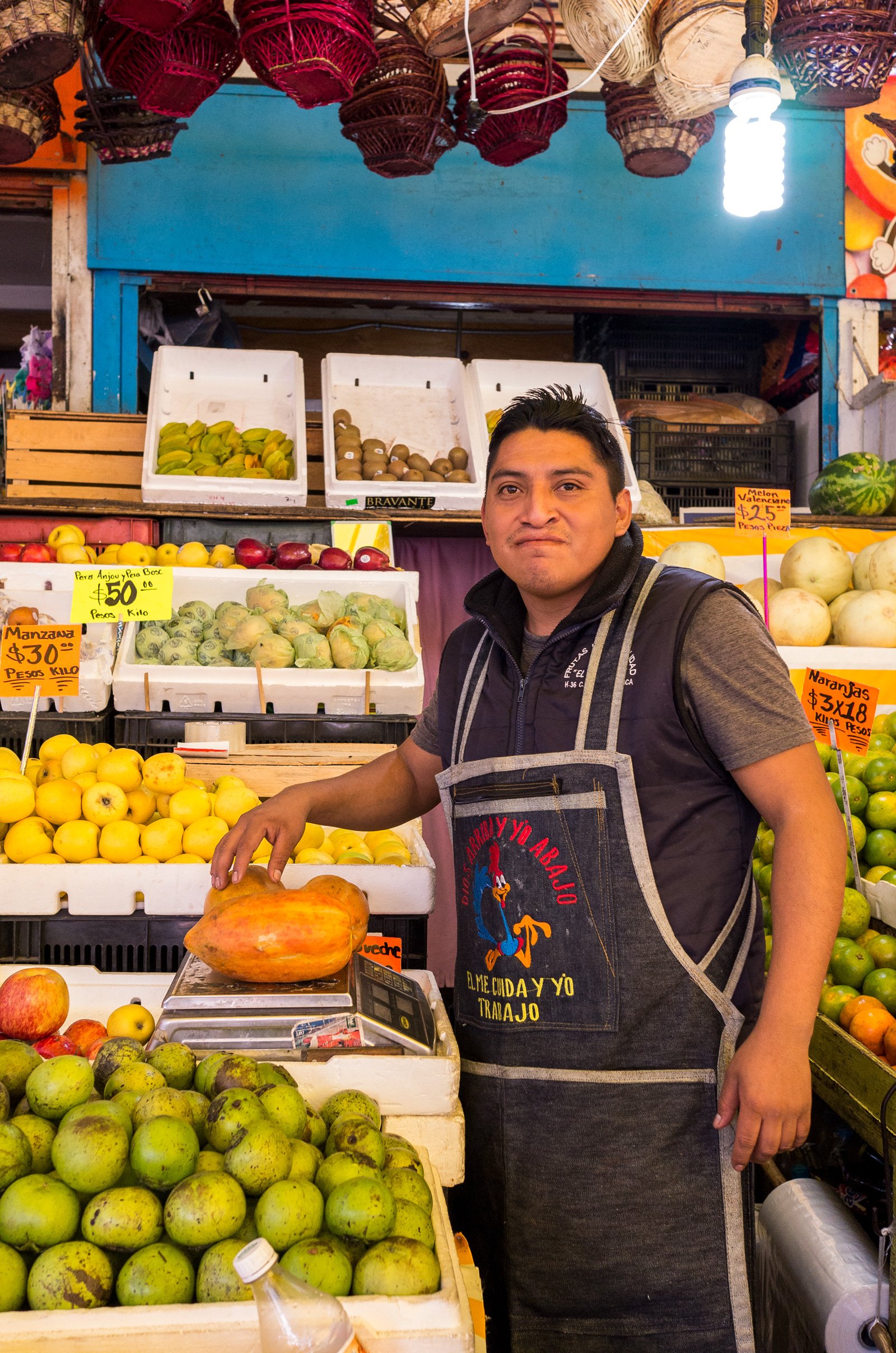
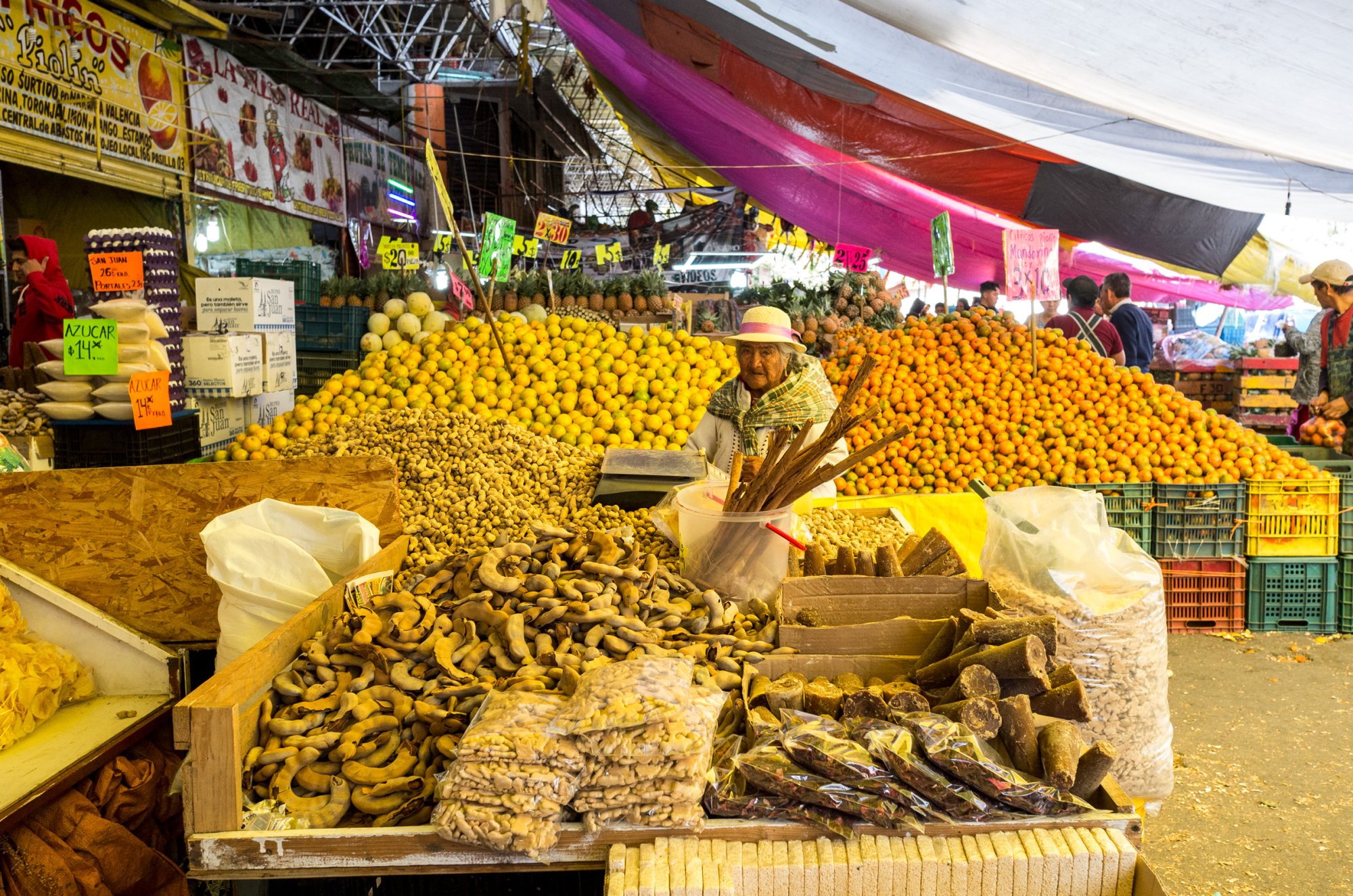
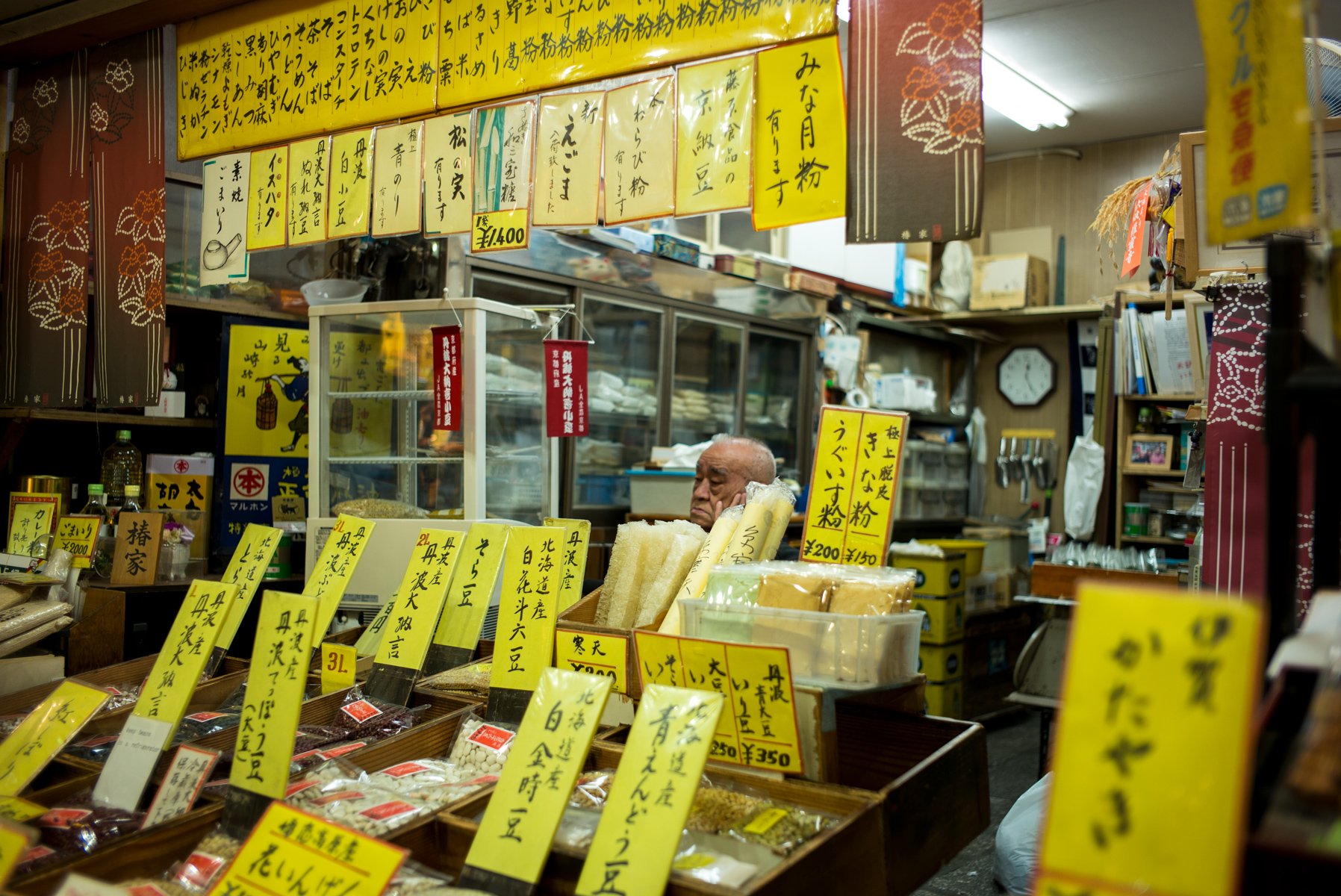
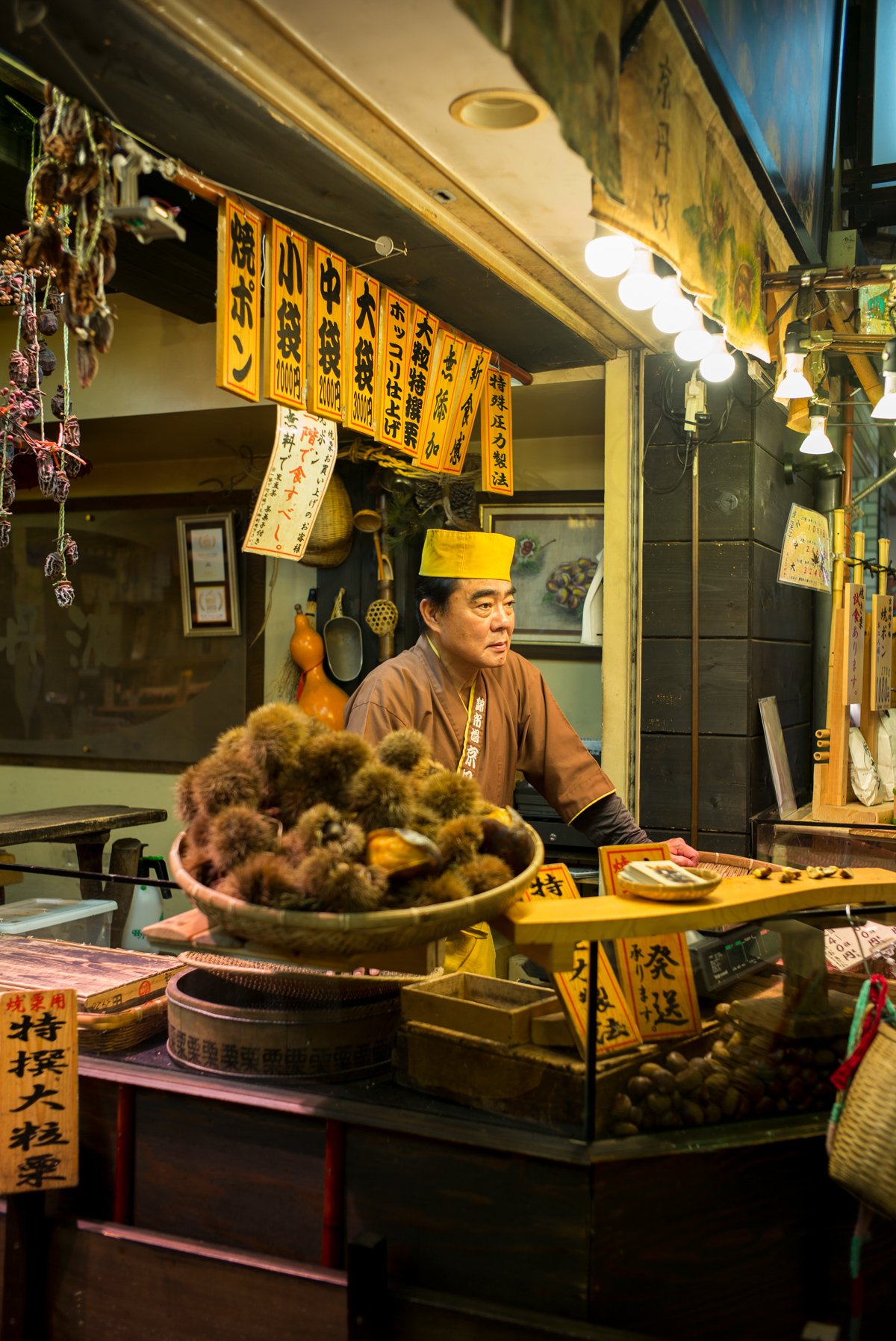
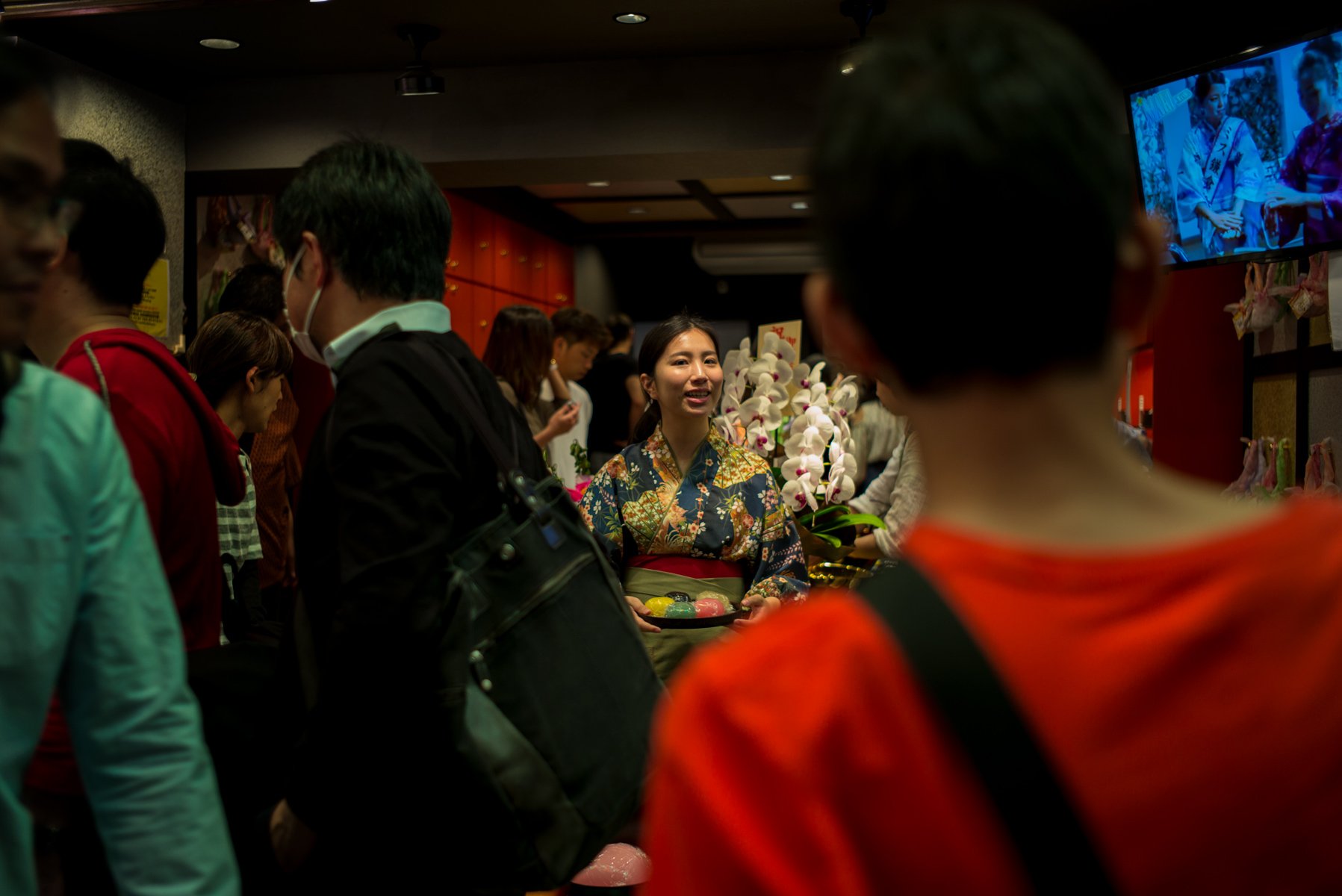
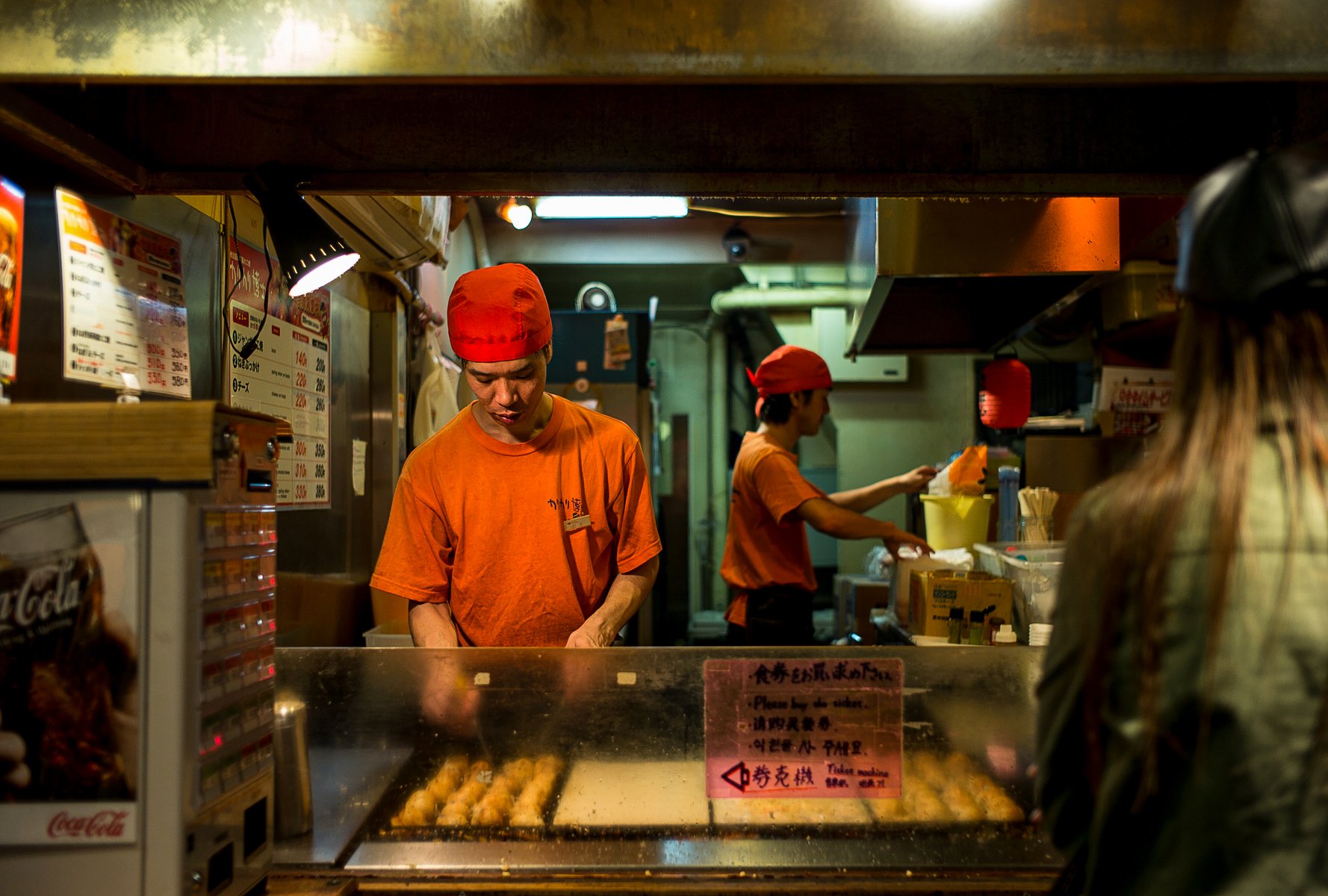
From Mexico to Morocco, India, Japan and Taiwan, there is something ineffably sad in these places. And something beautiful. Something strange, and something immediately familiar. The same gestures, repeated until they become a life.
A market has no need to pretend. There is no story to invent, no image to construct. There are people, animals, objects, dust, labels, displays, mud, food, money. Small joys. Small pains. The weight of one day, then another. Maybe this is what makes them feel so close to the truth.
Life without its decoration.
Life as it is carried. Life as it carries us.